
chauffagegillessareault Logo Chauffagegillessareault Contact Us
Contact Us

Vermanes Garden: Riga's Oldest Public Park

Explore peaceful paths and historic fountains in the heart of Riga's Old Town. A complete walking guide for a leisurely morning or afternoon.

9 min read All Levels June 2026
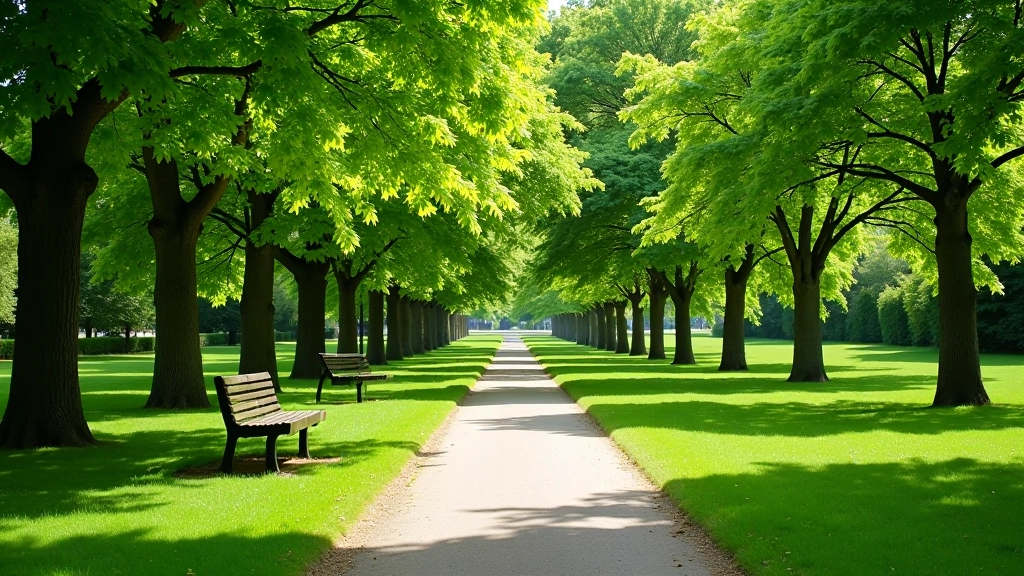
Vermanes Garden peaceful park with mature trees, green grass, and stone pathways on a sunny day

A Hidden Gem in the City Center

Vermanes Garden's been here since 1814 — that's over 200 years of people walking these same shaded paths. You won't find crowds or noise here. What you will find is peace, history, and some of the oldest trees in Riga.

The garden sits quietly between busy streets, but once you're inside the gates, it feels like a different world entirely. Mature oaks and lindens create natural canopies. Stone pathways wind through open grass areas. There's a fountain, benches everywhere, and plenty of spots to sit and just breathe.

We're talking about a 3-hectare space that's perfect for a two-hour walk without rushing. No steep hills. No difficult terrain. Just well-maintained paths that've been used by locals for generations.

Historic stone fountain in Vermanes Garden with moss-covered edges, surrounded by mature trees and green foliage
Andris Ozols

Author

Andris Ozols

Senior Heritage Tourism Specialist

Heritage tourism specialist with 16 years of experience guiding retirees through Riga's Art Nouveau district and historic gardens.

Getting There & Basic Information

The garden's location is straightforward. It's on Merķeļa iela (Merkela Street) in the heart of Riga's Old Town. If you're familiar with the Daugava River and the old fortifications, you're close. The main entrance is on the north side, near the powder tower ruins.

Getting there's easy by foot if you're already in the Old Town. By tram, lines 1 and 4 stop nearby. There's paid street parking around the perimeter, though on weekends it's not always crowded.

Quick Facts

  • Open year-round, dawn to dusk
  • No entrance fee — it's free
  • About 3 hectares to explore
  • Flat terrain, well-paved paths
  • Several benches throughout
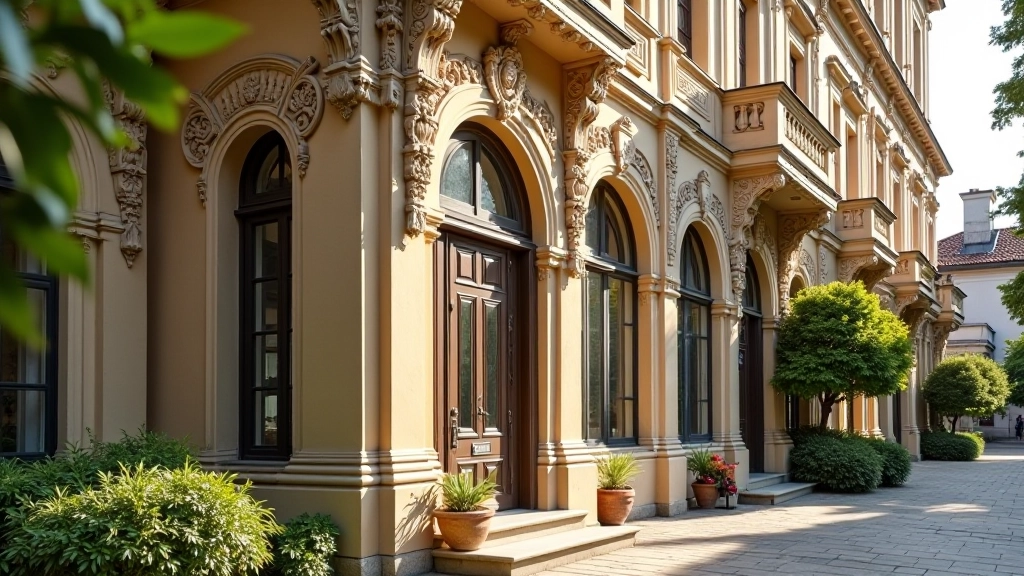
Street entrance to Vermanes Garden with ornate iron gates, historic stone pillars, and tree-lined pathway visible beyond the entrance

Walking Routes & What You'll See

There's no single "right way" to walk Vermanes Garden. That's part of its charm. But here's what you need to know about the main areas and paths.

1

Enter from the North Gate

Start at the main entrance on Merķeļa iela. You'll notice the stone gateposts immediately — they're original. The path opens into a wide grass area with mature linden trees on both sides. This is where you'll see locals walking dogs and sitting on benches. The ground's flat here, and you can see the whole northern section from the entrance.

2

Follow the Central Fountain Path

Head south along the main pathway. You'll come to the garden's centerpiece — a stone fountain that's been here since the 19th century. It's not always flowing with water, but the stonework is worth seeing up close. Moss and age have given it character. This is a natural resting point. There are benches around it, and it's the quietest spot in the garden.

3

Explore the Eastern Tree Canopy

From the fountain, take the path heading east. This section has the tallest trees — old oaks that've been growing here for 150+ years. The canopy's thick enough that even on hot days, it's cool and shaded. The paths here are narrower and wind between tree trunks. It's genuinely quiet. You might hear birds more than people.

4

Return Through the Western Open Area

Come back toward the center and take the western paths. This side's more open with grass areas and fewer trees. It's where you'll see more sunlight and get better views of the surrounding architecture. The fortress walls are visible from here on the western edge. It's a good section for photos if you're interested in that.

Practical Tips for Your Visit

We've walked this garden in every season. Here's what we've learned actually matters.

Footwear Matters

The main paths are stone and asphalt, which are fine. But if you venture onto the smaller paths, especially after rain, they can be uneven. Comfortable walking shoes with good support are your best bet. Avoid heels — they'll sink into the softer areas near the grass edges.

Best Times to Visit

Early morning — before 9 AM — is quietest. You'll have the garden almost to yourself. Weekday afternoons are also peaceful. Weekends get busier, especially sunny afternoons, but it's never crowded compared to other parks. Spring and early autumn offer the best weather and lighting for photos.

What to Bring

Water's essential. There's no café or shop inside the garden. A hat or umbrella helps with sun in summer. The garden's open year-round, but winter paths can be icy — bring appropriate footwear if you're visiting December through February. A camera's optional, but the tree canopy and fountain make good subjects.

How Long to Spend

A full exploration takes 90 minutes to 2 hours if you're moving slowly and stopping to sit. You can do a quick walk-through in 30 minutes. Most people spend about 45 minutes — enough to see everything without feeling rushed. There's no "wrong" pace here.

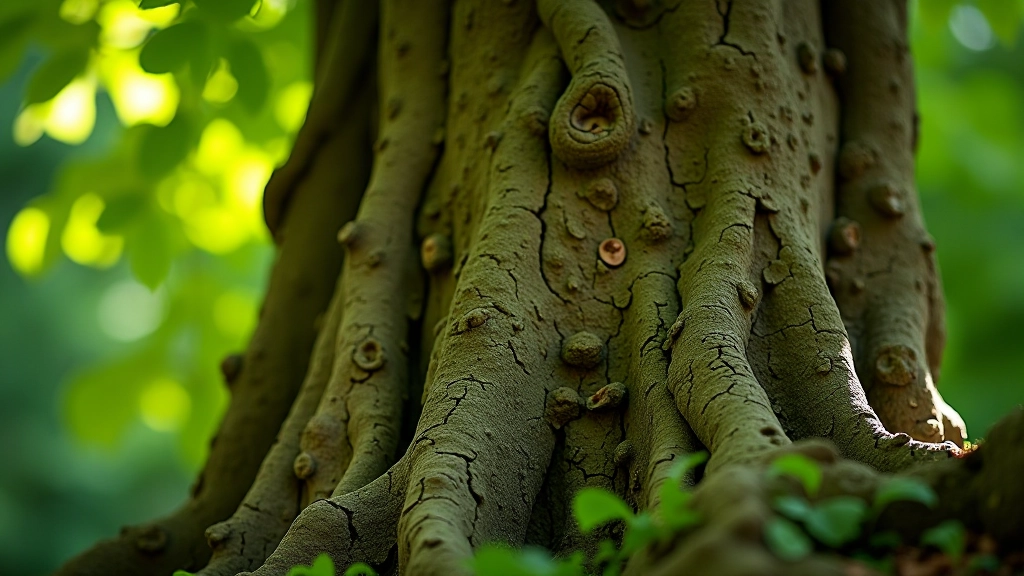
Close-up of ancient tree trunk with textured bark in Vermanes Garden, sunlight filtering through green leaves above

Why This Garden Matters

Vermanes Garden was established in 1814 — that's before photography existed. It's named after the Vermane family, who were local merchants. What started as a private garden eventually became public property, and it's been a gathering place ever since.

"For over 200 years, this garden's been where Riga residents escape the city. The paths haven't changed much. The trees are older. But the feeling is the same."

— Local historian

It's not the flashiest spot in Riga. There's no admission fee because it's always been free. No corporate sponsorships or renovations that fundamentally change it. It's stayed genuinely local — a place for neighbors, not tourists. Though of course you're welcome.

The fortress walls surrounding parts of the garden are older than the garden itself — 17th-century fortifications. So you're literally walking past centuries of history. The stone pathways are original 19th-century work. The fountain's been there since the 1850s.

This matters because authenticity's rare. Most parks get "updated" and "modernized." Vermanes stayed true to itself. The trees grew. The paths developed character. But the core idea remained — a quiet place to walk and think.

Plan Your Visit

Vermanes Garden's not on every tourist's itinerary. That's actually what makes it valuable. You'll find locals here — people who actually live in Riga, not people passing through. The paths are the same ones used for two centuries. The trees have seen the city change around them.

It's a two-hour morning well spent. Pack water. Wear comfortable shoes. Go early if you want quiet. And don't expect anything Instagram-famous. Expect something better — a real place that's stayed genuine.

Once you've walked here, you'll understand why locals protect this space. It's not about facilities or attractions. It's about peace in the middle of a city. It's about old trees and old paths and the feeling that you've stepped outside of time.

Ready to explore more of Riga's heritage?

Explore All Heritage Walks

Disclaimer

The information in this guide is provided for educational and informational purposes. While we've made every effort to ensure accuracy, conditions in parks and gardens can change seasonally or due to maintenance work. Always check local conditions before visiting, especially during winter months when paths may be icy. This guide isn't a substitute for official city information. For current details about Vermanes Garden, contact Riga's parks department or visit the official city tourism website. Visitors are responsible for their own safety and well-being.