
Pacing Yourself: What to Know Before You Go
Everything you need to know about comfortable walking distances, proper footwear, hydration, and seasonal preparation for heritage walks through Riga's historic districts.

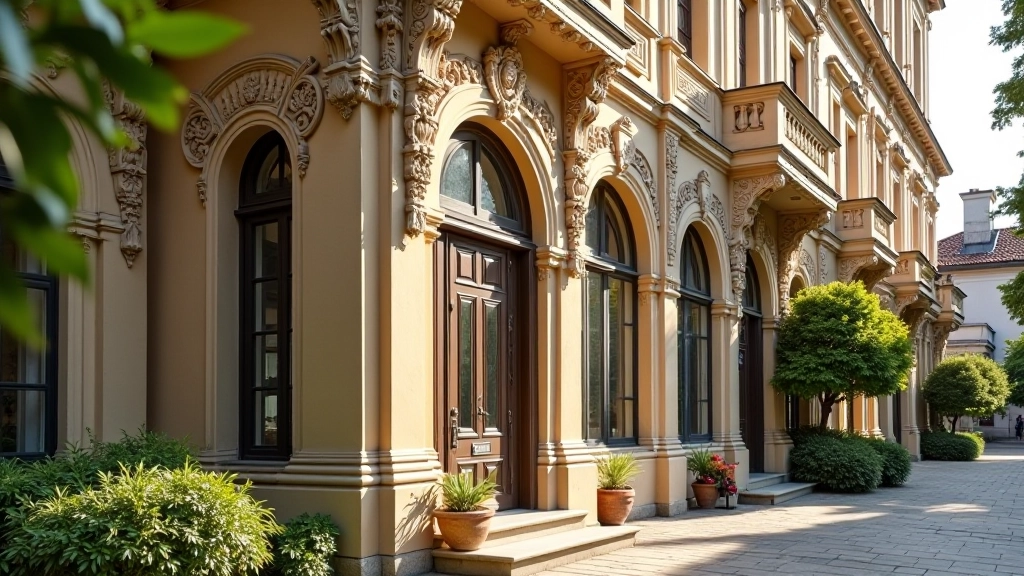
Walking Riga's heritage districts isn't a race. It's about enjoying the Art Nouveau facades, stopping in quiet gardens, and really taking in the history around you. But here's the thing — you'll get way more out of it if you prepare properly. We've spent years watching what works for different people, and we're sharing what we've learned.
Whether you're tackling the Art Nouveau district for the first time or you're a regular in Vermanes Garden, these fundamentals will help you walk comfortably and actually remember the experience instead of just feeling exhausted.
Understanding Walking Distances That Work
Most people don't realize how different 3 kilometers feels depending on terrain and your fitness level. A flat paved walk through the Art Nouveau district? That's manageable. The same distance with uneven cobblestones and hills? You'll feel it differently.
Start with what you know you can do comfortably. If you've walked 2 kilometers without stopping before, don't jump to 5. We'd suggest these realistic targets: beginners should plan for 2-3 kilometers with planned rest stops. Regular walkers? You're looking at 4-5 kilometers comfortably. And the experienced folks tackling multiple districts? You'll manage 6-8 kilometers without issue.
The Rest Stop Rule
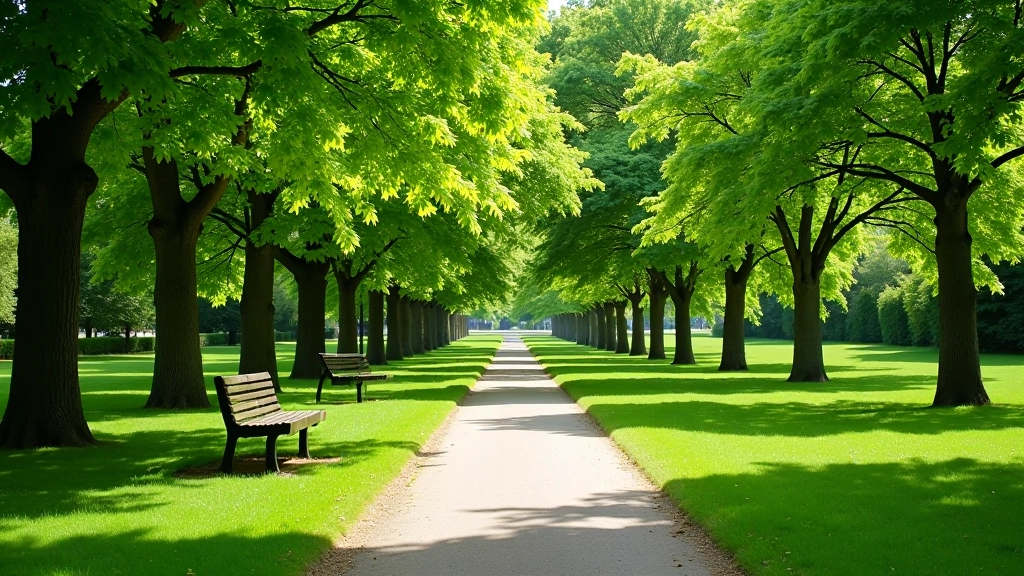
Plan a 10-15 minute rest every 1.5 kilometers. Not because you're tired, but because you'll actually see more. Sitting on a bench in Vermanes Garden for 15 minutes? That's when you notice the tree details, the bird sounds, the way light hits the water.


Shoes Matter More Than You'd Think
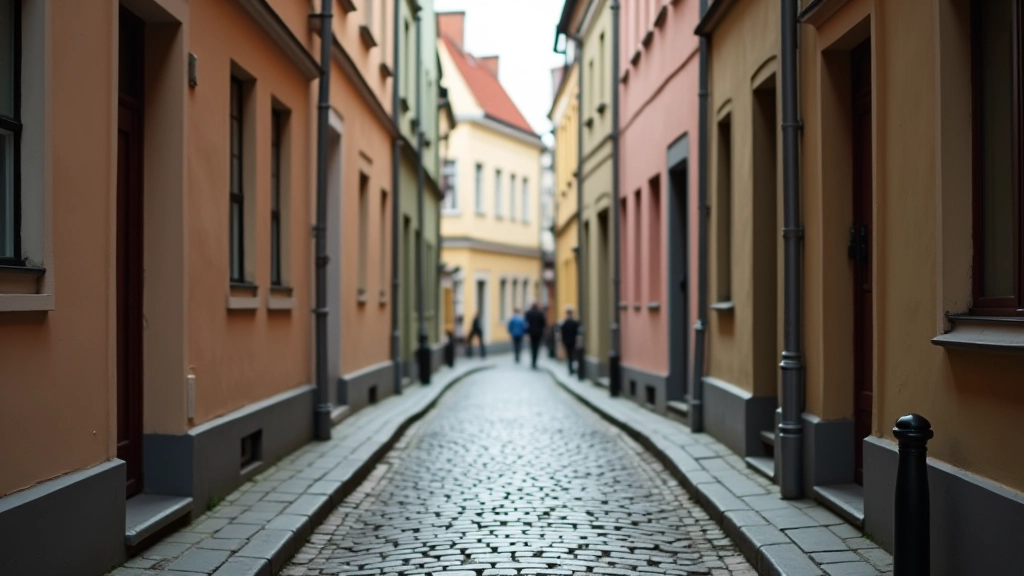
This isn't complicated, but it makes an enormous difference. Riga's old town has cobblestones — beautiful, historic, absolutely rough on your feet if you're wearing the wrong shoes.
You'll want shoes with:
- Real cushioning in the sole (not just foam that flattens after 20 minutes)
- Arch support — this is critical on uneven surfaces
- Good grip so you don't slip on wet cobblestones
- Broken in already (new shoes on a heritage walk = blisters)
Sneakers work fine. Hiking shoes work great. Those pretty sandals? They're not going to work, and you'll regret it by kilometer two. Test your shoes on short walks first. If your feet feel fine after 2 kilometers, you're ready for the real thing.
Hydration and Weather Prep
Here's what surprises people: you get thirsty faster when you're focused on architecture. You're not thinking about your body — you're reading building details — and suddenly you're parched.
Bring water. Not a tiny bottle — bring at least 750ml. The Art Nouveau district doesn't have water fountains everywhere, and Vermanes Garden has limited access. If you're out for 3 hours, bring 1.5 liters and don't apologize for it.
Seasonal Reality Check
Summer (June-August)
Bring sunscreen. Wear a hat. The facades reflect sun back at you. It's hotter than you'd think walking between buildings. Start early morning if you can.
Autumn (September-November)
Rain happens. Waterproof jacket. Leaves make cobblestones slippery. Your shoes need good grip right now.
Winter (December-February)
Ice is real. Seriously. Avoid if you have mobility concerns. If you go, winter boots with traction, not regular shoes.
Spring (March-May)
Mud in gardens. Waterproof shoes. Temperature swings — dress in layers. Best season honestly.

The Bottom Line
Walking heritage routes in Riga doesn't require special equipment or extreme fitness. It requires honest planning. Know your limits, bring water, wear shoes that won't punish you, and respect the weather. Do those things and you'll have a genuinely great experience. You'll come back home with stories about specific buildings, memories of gardens, and feet that don't hurt.
The routes aren't going anywhere. Take your time. Stop when you want. Sit on a bench and watch people. That's what heritage walking is really about — not covering distance, but actually experiencing the place.
Disclaimer
This guide is informational and educational in nature. Walking distances, fitness recommendations, and seasonal advice are general suggestions based on typical conditions in Riga's heritage districts. Individual fitness levels, mobility considerations, and health conditions vary significantly. We strongly recommend consulting with your healthcare provider before undertaking any new walking routine, particularly if you have existing health concerns, mobility limitations, or haven't exercised regularly. Weather conditions change, routes may be temporarily closed or modified, and accessibility features may vary. Always check local conditions before your walk and plan accordingly. This guide does not replace professional medical advice or personalized fitness guidance.