
Walking the Art Nouveau District: A Beginner's Route
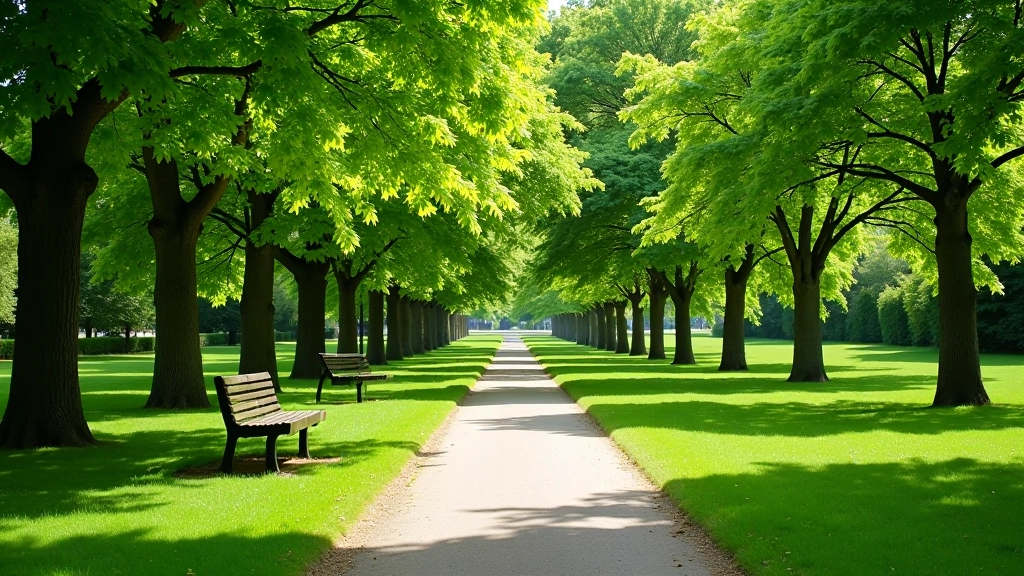
This route covers the essential streets and buildings that make Riga's Art Nouveau district so remarkable. Flat terrain, plenty of benches along the way.
Why This District Matters
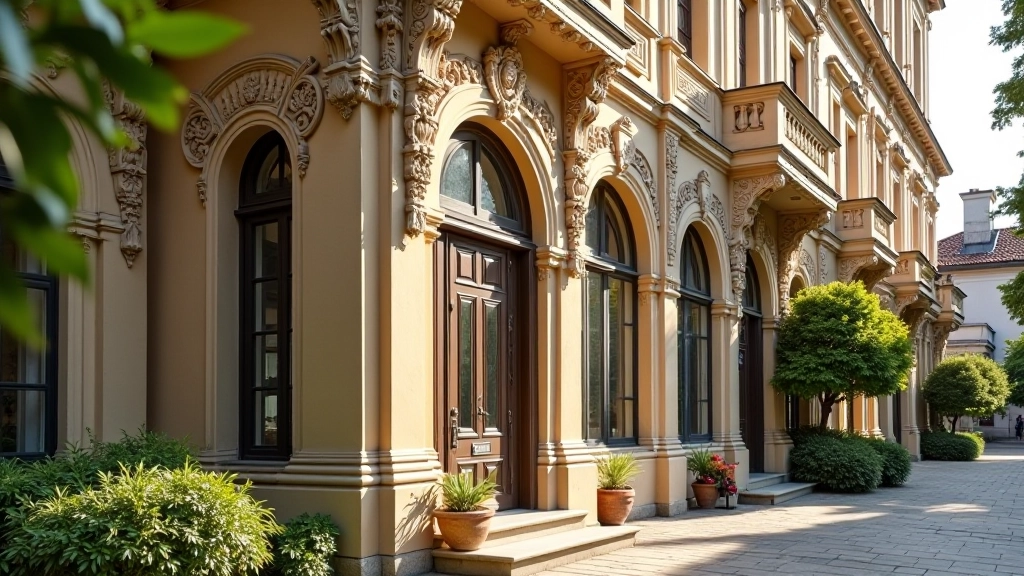
Riga's Art Nouveau district isn't just pretty buildings. It's one of the most intact early 1900s neighborhoods in all of Europe. Over 40% of the city's old town is Art Nouveau style. When you walk these streets, you're seeing architecture that survives almost exactly as it was built between 1900 and 1940.
What's great about this particular route? It's flat. No hills. The buildings are close together so you're never squinting across some wide plaza. There's shade from the older linden trees. You'll find benches roughly every 200-300 meters if you need to rest. Most beginners complete this walk in about 2 to 2.5 hours at a comfortable pace.
3.2 km
Walking Distance
40%
Of Old Town
2-2.5 hrs
Typical Duration
The Route: Street by Street
Start at the intersection of Elizabetas iela and Gertrūdes iela. This corner has some of the most dramatic facades you'll see on the entire walk. Notice how the buildings seem to tower above the street — that's intentional. Architects wanted these structures to feel grand.
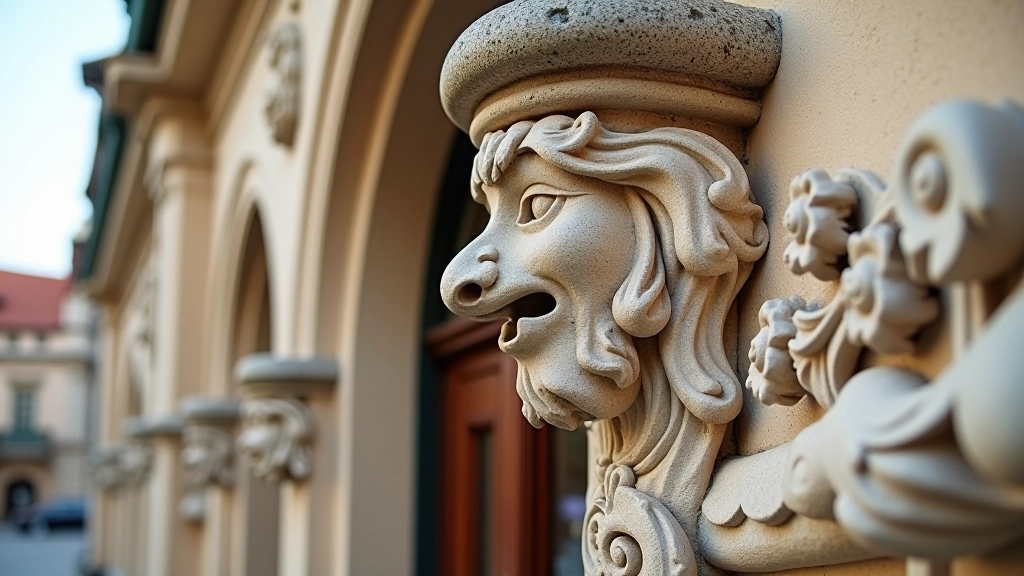
Walk north along Gertrūdes iela for about 400 meters. Don't rush. Stop at the buildings with the most ornate stone details. You'll see faces carved into the facades, animals, floral patterns. Each one was hand-sculpted by craftsmen. The one at number 33 has particularly elaborate decorative elements — eagles and botanical motifs.
Turn right onto Brīvības bulvāris. This is where the route opens up a bit. The street is wider and there's more sky. You're walking past government buildings and cultural institutions now. There's a cafe about halfway along if you want to sit and watch people.

What to Look For
Art Nouveau has specific visual language. Once you know what to spot, you'll see it everywhere. The style uses curves instead of straight lines. Doorways are often arched. Windows have rounded corners. Stone decorations wrap around edges rather than staying flat against the wall.
Look up. Most people walk with their eyes forward. But the real details are above the first floor. The top floors have the most dramatic stone work. Faces peek out from between windows. Plants and vines seem to grow out of the stone itself. It's not random — every element was designed.
You'll also notice entrances. They're almost theatrical. Some have multiple columns. Others have mosaic tiles around the doorframe. The doors themselves are often wood or metal with Art Nouveau patterns. These entrances were meant to impress visitors before they even stepped inside.

Practical Tips for Comfort
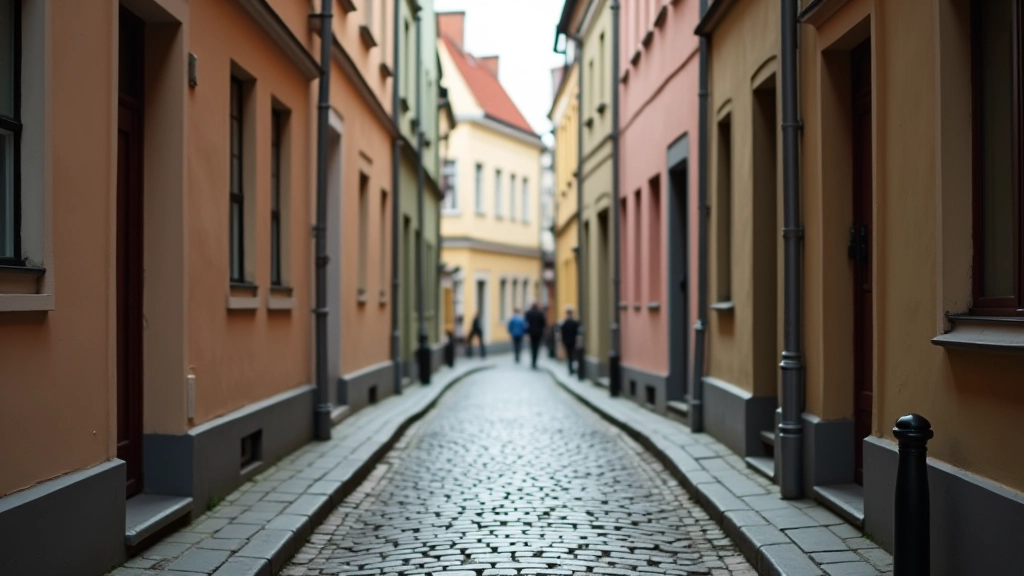
Wear comfortable shoes. The cobblestones are beautiful but they're uneven. A good pair of walking shoes with ankle support makes a real difference. We recommend shoes you've already broken in — don't debut new ones on this walk.
Bring water. Even in mild weather, you'll want something to drink. There are cafes and shops along the route but it's easier to bring your own. A small bottle (500ml) is enough for this distance.
Start early in the day if possible. Not only is the light better for photography, but you'll avoid the afternoon crowds. Plus it's easier to spot architectural details when the sun isn't directly in your eyes.


Take Your Time
This route isn't about speed. You're not training for anything. The point is to notice things. Stop whenever something catches your eye. Sit on a bench for 10 minutes just watching the light change on a building. Take photos if you want. Strike up conversations with other walkers.
Riga's Art Nouveau district has been here for over a century. It'll still be here tomorrow. Walking it slowly means you'll actually remember what you saw instead of just checking it off a list. That's the whole point.
Information Disclaimer
This guide is provided for educational and informational purposes. Route conditions, building accessibility, and local circumstances may change. We recommend confirming current conditions with local tourism offices before planning your visit. Always prioritize your personal safety and comfort while walking. If you have mobility concerns, consult with healthcare providers before undertaking any walking tour.