
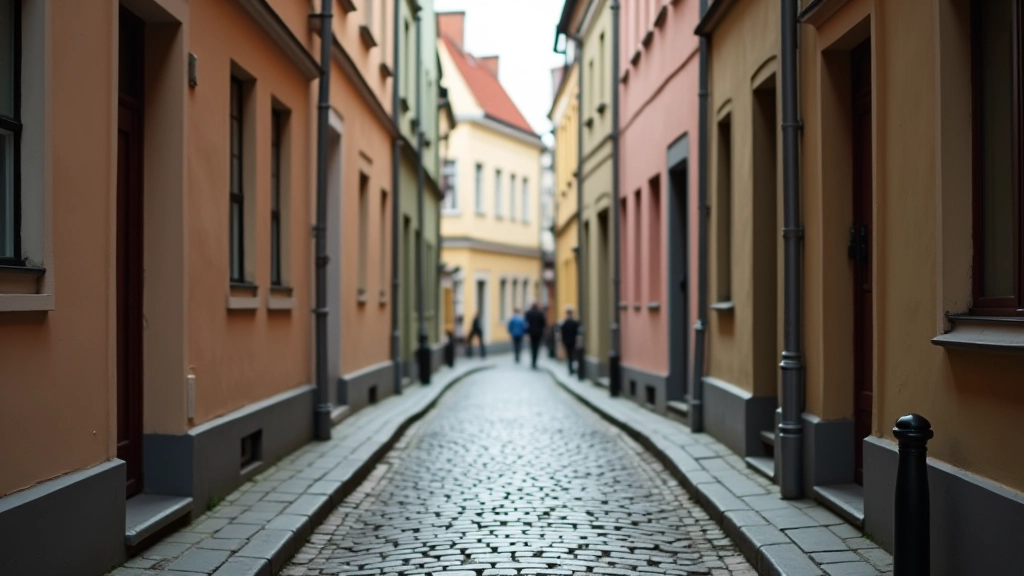
Why Architecture Matters on Your Walk
When you're strolling through Riga's Old Town or admiring the facades on Elizabetes Street, you're not just looking at buildings—you're reading a history book written in stone and timber. Each architectural style tells you something about the era when it was built, the people who lived there, and the influences that shaped the city.
Understanding these styles transforms your walk from casual sightseeing into genuine discovery. You'll notice details you'd otherwise miss—the carved decorations, the proportions, the materials. And that's where the real magic happens. Suddenly, a building isn't just old. It's a story.
Gothic: The Medieval Foundation
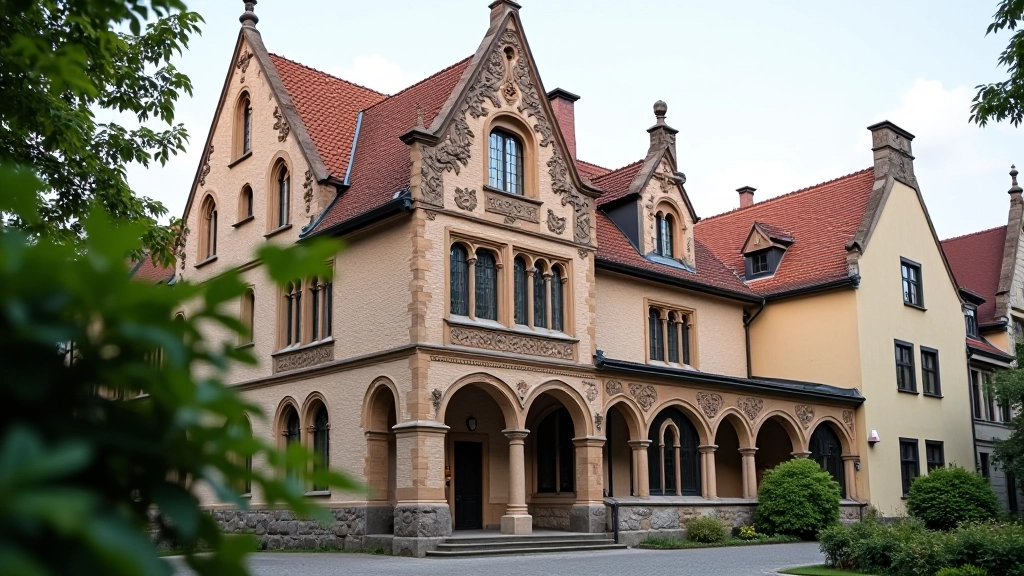
Riga's oldest buildings come from the 13th and 14th centuries, when Gothic architecture dominated Europe. The style is unmistakable—pointed arches, narrow windows, and walls that seem to reach toward the sky.
The House of the Blackheads, completed in 1344, is the prime example. Its stepped gable roof, intricate stone carvings, and narrow proportions define medieval Riga. When you see it, notice how the building seems taller than it is wide—that's intentional. Gothic architects believed verticality drew the eye upward, toward heaven.
Renaissance & Baroque: Elegance and Ornamentation
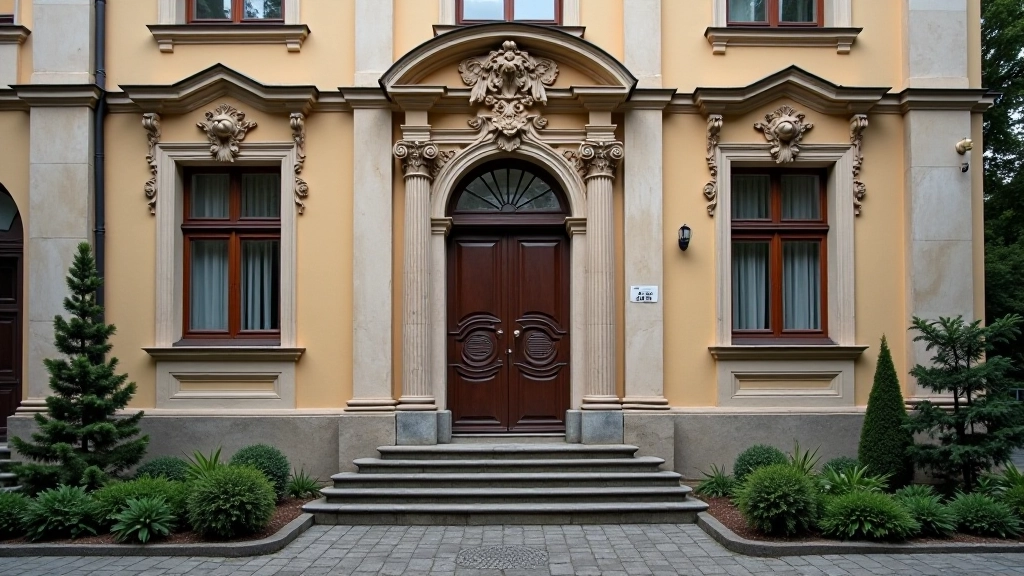
By the 16th and 17th centuries, Renaissance and Baroque styles brought a different sensibility. Where Gothic reached upward, Renaissance buildings settled into horizontal lines and balanced proportions. Baroque added decorative flair—curves, columns, ornate details that celebrated abundance and movement.
You'll find these styles blended throughout Riga's old town. The Three Brothers complex shows Renaissance restraint with some decorative elements. Baroque buildings tend to have more elaborate carved stone, wider windows, and sculptural details. They're less about soaring height and more about showing off craftsmanship.
The width of these buildings expanded too. Renaissance and Baroque merchants wanted grander facades to display their wealth and status.

Art Nouveau: Riga's Signature Style
Here's where Riga becomes truly special. Art Nouveau exploded across the city between 1895 and 1910. More than 40% of Riga's buildings are Art Nouveau—that's why UNESCO recognized the entire district as a World Heritage site. You won't find another city with this concentration of the style.
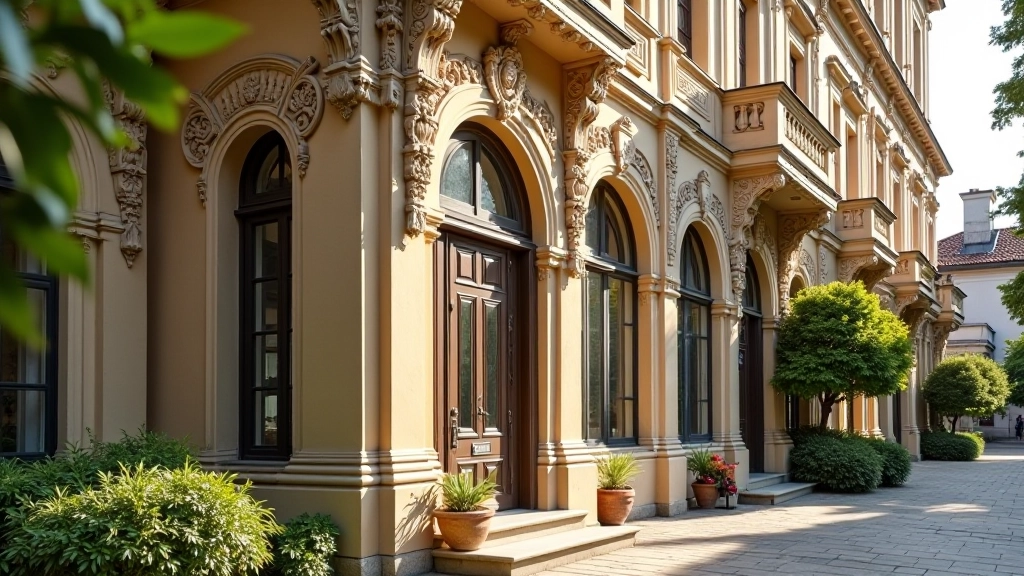
Art Nouveau rejects rigid geometry. Instead, you get flowing curves, organic shapes, and nature-inspired details. Faces peer out from building facades. Flowers and leaves twist around windows. Colors shift from reds and creams to deep browns and greens. It's ornate but feels alive, not stiff.
Walk Elizabetes Street and you'll see why this style captivated the city. The buildings are wide, decorated lavishly, and each one tries to outdo its neighbor in creative detail. It's exuberant. Joyful, even.


20th Century: From Eclecticism to Modernism
As the 20th century progressed, architectural fashion shifted. Eclecticism mixed multiple historical styles in single buildings—Gothic towers with Renaissance windows and Baroque details. It was about creativity and showing off knowledge of historical design.
Then came modernism. Clean lines, geometric forms, minimal ornamentation. Modernist buildings reject decoration entirely. They're about function and honesty—the building shows what it does without trying to impress. You see more glass, exposed structural elements, and horizontal emphasis rather than vertical.
Riga's modernist buildings from the 1920s and 1930s feel stark compared to the ornate Art Nouveau next door. But that contrast is part of what makes walking the city so interesting. You're seeing a conversation between different eras about what architecture should express.
Reading Riga's Stories
Every building you pass on a heritage walk carries meaning. The Gothic structures show medieval Riga's strength. Renaissance and Baroque buildings reveal growing prosperity and cultural connections to Western Europe. Art Nouveau demonstrates the city's confidence and creativity at the turn of the 20th century. And modernist structures? They're about looking forward, about a city imagining its future.
When you understand these styles, you're not just seeing old buildings. You're understanding why Riga looks the way it does. You're reading the city's biography written in stone, brick, and decorative detail. And that's what makes a heritage walk truly meaningful. You're not just walking through a beautiful place. You're understanding how it came to be.
Take your time on your next walk. Look up. Notice the details. Ask yourself what era that building belongs to and what it might have meant to the people who built it. That's how you transform a casual stroll into genuine discovery.
About This Article
This article is provided for educational and informational purposes to enhance your understanding of Riga's architectural heritage. While we've made every effort to provide accurate historical information, architectural styles can vary by individual building and expert interpretations may differ. For detailed historical research or restoration projects, we recommend consulting official heritage organization resources or professional architects specializing in historic preservation. This guide is meant to enrich your walking experience, not serve as definitive architectural documentation.